


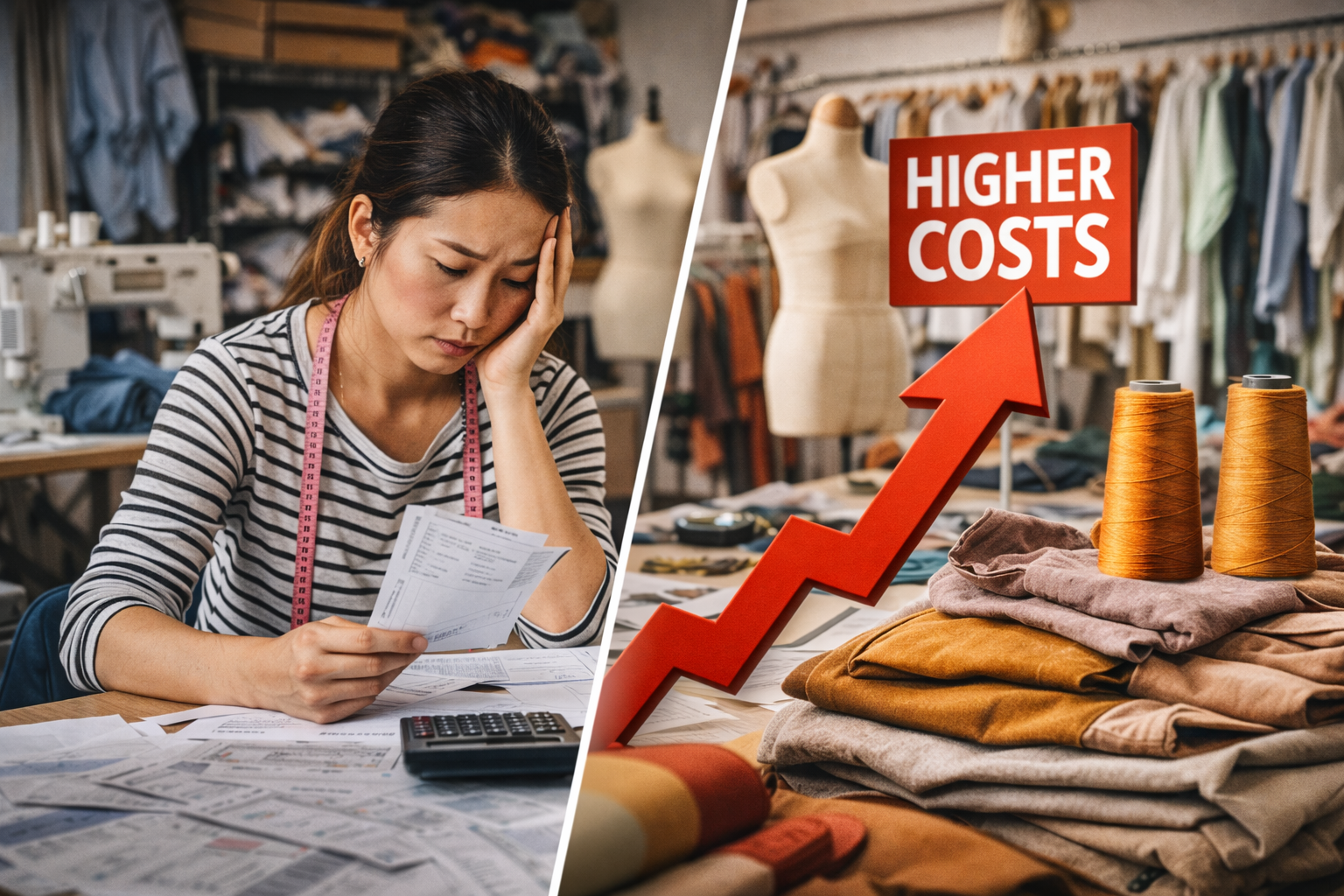
Independent fashion designers around the world are facing unprecedented challenges as production costs reach record highs. Once celebrated for creativity, craftsmanship, and innovation, small and independent brands are now struggling to survive amid rising material prices, labor shortages, and increasing operational expenses. The financial strain is reshaping the fashion industry and raising concerns about the future of independent design.
Rising Costs Across the Supply Chain
At the core of the crisis is the sharp increase in production costs. Fabric prices have surged due to supply chain disruptions, geopolitical tensions, and inflation-driven increases in raw materials such as cotton, silk, and synthetic fibers. Shipping costs, which spiked during global logistics disruptions, remain elevated, further squeezing already thin margins for independent designers.
Manufacturing expenses have also climbed as factories face higher energy prices, increased wages, and stricter compliance requirements. Unlike large fashion conglomerates that benefit from economies of scale, independent designers often produce in smaller quantities, making them more vulnerable to cost fluctuations and minimum order requirements imposed by suppliers.
Pressure on Small Fashion Brands
Independent designers typically operate with limited financial buffers. Rising costs force many to make difficult decisions, including reducing production volumes, delaying collections, or increasing retail prices. However, passing higher costs onto consumers is risky, particularly as shoppers become more price-sensitive and value-driven.
For many small brands, pricing products competitively while maintaining quality has become a delicate balancing act. Designers fear that raising prices too aggressively could alienate loyal customers, while absorbing costs internally may lead to unsustainable losses.
Impact on Creativity and Innovation
The financial strain is also affecting creative freedom. With tighter budgets, designers are often compelled to simplify designs, limit fabric choices, or cut back on experimentation. This shift threatens one of the defining strengths of independent fashion: originality and artistic expression.
Emerging designers, in particular, face barriers to entry. Launching a new brand now requires significantly more capital than in previous years, making it harder for fresh talent to break into the industry. As a result, diversity and innovation within fashion risk being overshadowed by commercial constraints.
Sustainability Adds to the Challenge
While sustainability remains a priority for many independent designers, eco-friendly materials and ethical production methods often come at a higher cost. Organic fabrics, low-impact dyes, and fair-wage manufacturing can significantly increase expenses, placing ethical brands at a disadvantage in a cost-driven market.
Despite these challenges, many designers remain committed to sustainable practices, viewing them as essential for long-term credibility and consumer trust. However, balancing sustainability with affordability continues to be a major hurdle.
Seeking Alternative Solutions
To cope with rising costs, independent designers are exploring alternative strategies. Some are shifting to made-to-order models to reduce inventory waste and upfront expenses. Others are embracing direct-to-consumer sales through online platforms, cutting out intermediaries and retaining more control over pricing.
Collaborations, pop-up stores, and crowdfunding campaigns have also emerged as ways to share costs and engage customers more directly. Digital tools and social media marketing play a crucial role in helping small brands build loyal communities without relying on expensive traditional advertising.
The Road Ahead for Independent Designers
The future of independent fashion depends on adaptability and support. Industry experts argue that greater transparency across supply chains, fairer pricing structures, and increased access to funding could help alleviate pressure on small designers. Consumers also play a vital role by supporting independent brands and recognizing the value behind thoughtfully produced garments.
Conclusion
As production costs hit record highs, independent designers find themselves at a critical crossroads. While creativity and passion remain strong, financial realities pose significant challenges to sustainability and growth. The survival of independent fashion will depend on innovation—not only in design, but also in business models that can withstand an increasingly expensive and competitive global market