


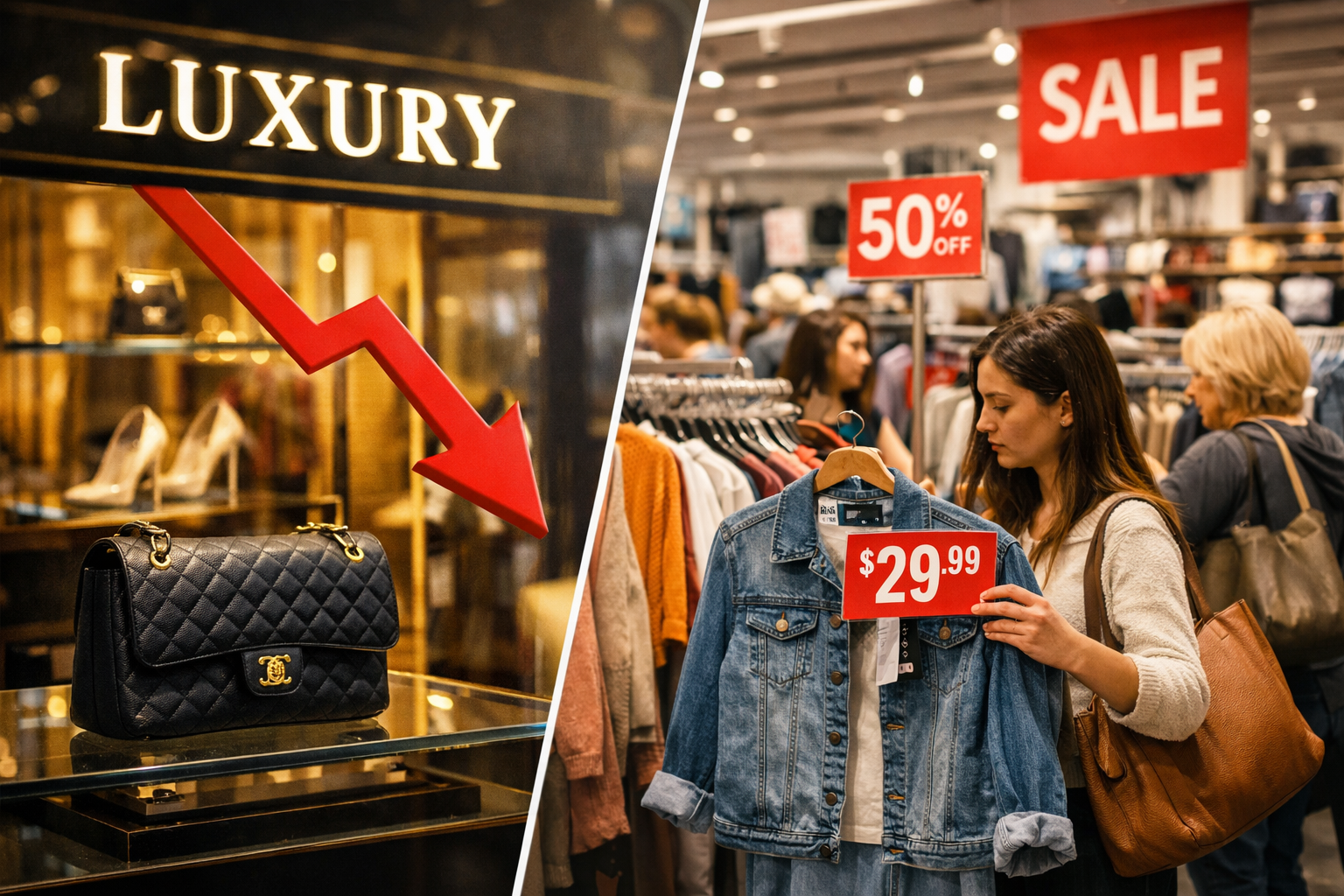
Luxury Giants Report Slower Growth as Consumers Shift to Value Fashion
Luxury fashion giants are facing a noticeable slowdown in growth as consumers increasingly shift their spending toward value-driven fashion. Once fueled by strong demand for high-end apparel, accessories, and luxury experiences, the global luxury market is now encountering changing consumer priorities shaped by economic uncertainty, inflation, and evolving lifestyle preferences.
For years, major luxury houses enjoyed consistent growth, driven by aspirational shoppers, rising wealth in emerging markets, and a culture that celebrated premium branding. However, recent financial reports from several luxury conglomerates indicate that momentum is softening. Sales growth has moderated, foot traffic in flagship stores has declined in some regions, and discretionary spending is being approached with greater caution by consumers.
Changing Consumer Priorities
At the heart of this shift is a growing emphasis on value. Consumers are becoming more selective, prioritizing quality, versatility, and price over brand prestige alone. Rising living costs, higher interest rates, and economic uncertainty have encouraged shoppers to rethink spending habits, especially when it comes to non-essential items such as luxury fashion.
Rather than abandoning fashion altogether, many consumers are redirecting their budgets toward affordable and mid-range brands that offer trendy designs, durability, and competitive pricing. Value fashion brands have capitalized on this trend by improving product quality, expanding sustainable collections, and leveraging fast production cycles to stay aligned with consumer demand.
Impact on Luxury Brands
Luxury brands, traditionally insulated from economic downturns due to their affluent customer base, are no longer immune to broader market pressures. While ultra-high-net-worth individuals continue to spend, aspirational buyers—once a key growth driver—are pulling back. These consumers, often younger professionals and middle-income shoppers, are now more price-conscious and less inclined to justify premium price tags.
As a result, luxury companies are experiencing slower sales growth, particularly in categories such as entry-level handbags, accessories, and ready-to-wear collections. Some brands have responded by reducing price increases, offering more timeless designs, or focusing on exclusive, high-margin products to maintain profitability.
Rise of Value and Affordable Fashion
The growing appeal of value fashion is reshaping the competitive landscape. Affordable fashion brands are no longer perceived as inferior alternatives. Many now emphasize ethical sourcing, sustainability, and long-lasting materials—attributes once strongly associated with luxury labels.
Second-hand and resale platforms are also contributing to the shift. Consumers seeking luxury aesthetics without premium pricing are increasingly turning to pre-owned fashion marketplaces. This trend aligns with sustainability goals while offering shoppers access to high-end items at a fraction of the original cost.
Regional Variations in Demand
The slowdown is not uniform across all markets. While demand in parts of Europe and North America has softened, some regions, particularly in Asia, continue to show resilience. However, even in growth markets, consumers are displaying more deliberate purchasing behavior, favoring iconic pieces over impulse buys.
Tourism-driven luxury spending has helped offset some losses, but it has not been enough to fully counterbalance weaker domestic demand in key markets.
What Lies Ahead for the Luxury Industry
Looking forward, luxury brands may need to adapt their strategies to remain competitive in a value-conscious world. This could involve enhancing customer experiences, investing in digital innovation, and reinforcing brand storytelling to justify premium pricing.
At the same time, brands that successfully balance exclusivity with perceived value are more likely to weather the slowdown. Transparency, sustainability, and craftsmanship will play an increasingly important role in influencing purchasing decisions.
Conclusion
The luxury fashion industry is at a pivotal moment. As consumers shift toward value fashion, luxury giants are being challenged to rethink growth strategies and redefine what premium truly means. While the appetite for luxury has not disappeared, it is evolving—favoring smarter, more intentional spending over status-driven consumption. Brands that understand and respond to this shift will be better positioned to thrive in the changing global fashion landscape